
Pembroke Pines, FL · Garage Door Service
Why a Garage Door Goes Off Track Here
Pembroke Pines homes date mostly from 1972-era construction with original track hardware. Here's what actually knocks a door off its rails and when it's worth fixing.
- Repairs & new doors
- Springs & openers
- Serving 7 nearby communities
Doing Nothing For Now
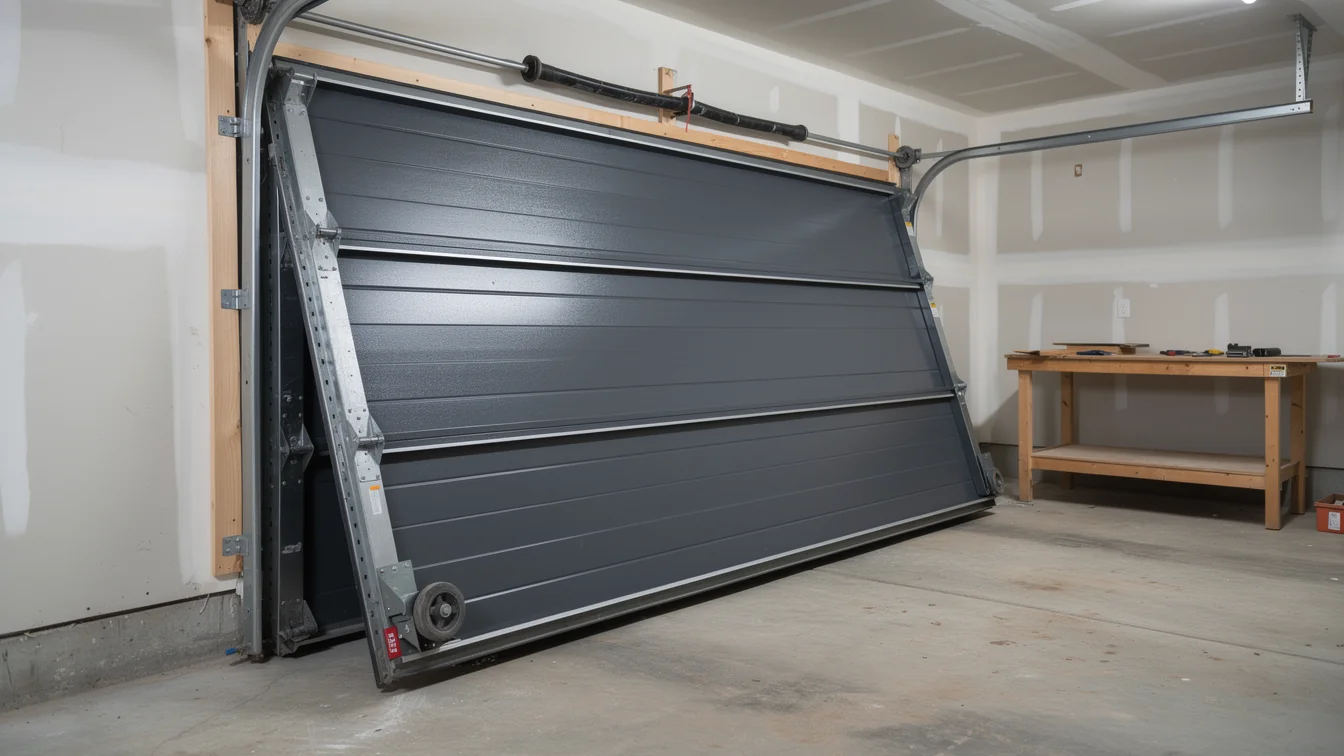
If your door is only rattling a little and still opens and closes square, you can usually wait. A door that's visibly tilted in the opening, or where one roller has popped clean out of the track, is a different story - that's a call-now situation, not a next-weekend one. Across this part of Pembroke Pines, most of the housing went up between 1953 and 2005, with the bulk of it dating to the 1960s and 70s, so a lot of garages still have their original steel track, original brackets, and in some cases the original hinges. That hardware was fine for its first twenty years. After forty or fifty, the tolerances are gone. We're not going to tell you every noisy door needs a truck out there today - plenty of them have a few more months in them before the brackets actually let go. But the honest answer is that a door built on 1960s or 70s track doesn't fail gracefully. It goes from "a little loose" to "off the rail" faster than people expect, because the metal fatigue has already been accumulating for decades before you notice the wobble.
What the Weather Here Does to It
This area sits in a mild temperate band - we don't get the freeze-thaw cycles that crack concrete slabs and heave track brackets loose the way colder regions do. That's actually a point in your favor if you own an older house here: the track itself isn't fighting seasonal ground movement. What it is fighting is forty-plus years of thermal cycling between hot days and cooler nights, which slowly works at the screws holding the track brackets to the framing, especially on houses from the 1972-median era where the original fasteners were never upgraded. Without frost heave in the mix, the usual culprit is simpler: brackets that have backed out a quarter-turn at a time, year after year, until the track isn't plumb anymore. That's a mechanical problem, not a weather-event problem, and it's one you can watch for rather than one that shows up overnight after a storm.
What Is Going On
On a door that's actually come off its track, the chain of events almost always starts at the bracket, not the track itself. A bracket that's loosened over the years lets the track flex sideways when the door opens, and a flexing track lets the rollers walk out of the channel. On the older builder-grade doors common across this area's 1960s and 70s housing stock, the brackets were never meant to be a forty- or fifty-year part - they were sized for the door's original expected service life. The second common cause is a bent section of track, usually from something hitting it, a car bumper or a stored ladder leaning against it, which narrows the channel just enough that a roller catches and jumps. Either way, once a door is off track, don't run the opener again. Forcing it usually bends the track further or pulls the bracket the rest of the way out of the framing, turning a bracket-and-track repair into a full track replacement.
What Most People Get Wrong
The most common mistake is assuming a door that's off track needs a whole new door. Most of the time it doesn't - if the panels aren't dented and the track damage is limited to one section, we can reset the rollers, straighten or swap the bent section, and resecure the brackets. Where replacement does make sense is when the door itself is original to a house built in the early part of that 1953-2005 range and the track, hinges, and rollers are all original builder-grade parts at once - at that point you're not fixing one failure, you're postponing the next four. The other mistake is tightening the bracket bolts yourself and calling it done. A bracket that's backed out once has stripped wood or thinning sheet metal behind it, and a bolt dropped back into a stripped hole will back out again in months. That one's worth having checked properly rather than patched.
Frequently asked questions
Can I push my garage door back onto the track myself?
We'd rather you didn't. A door under spring tension that's come off the track can shift unpredictably when you try to reseat it by hand, and on a double door especially, that's enough force to hurt someone. It's a torsion spring and a pry bar job, not a push job.
Is an off-track door always a track problem?
No - often the track is fine and the real issue is a loose or bent bracket holding it to the frame. On houses from this area's 1960s and 70s housing stock, that bracket is frequently the original one, and decades of vibration have worked the fasteners loose long before the track itself fails.
Why does this seem to happen more as the door gets older?
Builder-grade track and brackets were sized for the door's expected original service life, not fifty years of use. A house built in the early part of the 1953-2005 range here is now well past that window, so hardware that held fine for decades starts to show it all at once.
Related garage door services in Pembroke Pines
More garage door guides
Book garage door service in Pembroke Pines
Call now or request a quote - tell us what the door is doing and where you are.